Do What You Love Graphic Design for Crafts
First Impressions and Visual Mood
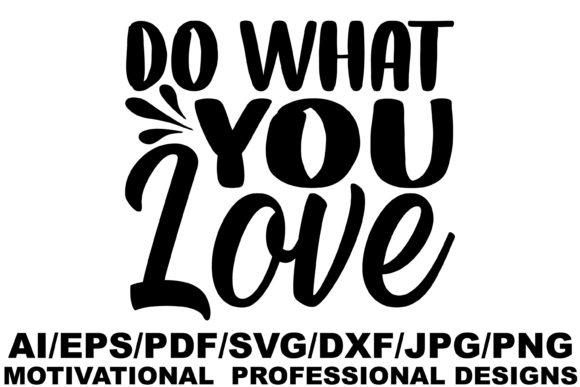
The first time I encountered Do What You Love, Motivational Design, I was immediately drawn to its vibrant energy and uplifting tone. The design elements feel fresh, modern, and approachable, which makes it a strong candidate for projects that need a positive and engaging visual presence. The color palette is warm and inviting, with a focus on bold accents that pop against neutral backgrounds. This gives the asset a natural fit for both digital and print applications, especially when aiming to create an emotional connection with the audience.
Design Style and Client Fit
Do What You Love, Motivational Design carries a style that’s both playful and professional. It’s not overly complex, but it does have enough detail to make it visually interesting without overwhelming the viewer. This balance makes it ideal for small businesses looking to establish a brand identity that feels personal yet polished. It could work well for handmade brands, Etsy shops, or local events where the goal is to inspire and engage through visual storytelling.
I imagine using this design in a project for a boutique wellness brand launching a new line of self-care products. The motivational theme aligns perfectly with the brand’s mission, and the graphics can be used across various touchpoints like packaging, social media posts, and website banners. The design’s versatility allows it to adapt to different formats, making it a valuable tool for a designer working on multiple aspects of a client’s brand.
Practical Use Cases
Do What You Love, Motivational Design performs well in a variety of real-world design situations. It's excellent for creating product labels, posters, and flyers that require a strong visual impact. The design also works well as a background element in more complex layouts, adding depth without overshadowing other content.
In terms of printable designs, the asset is highly adaptable. It can be used for t-shirt designs, mugs, tote bags, and even wall art. Its clean lines and consistent style make it a great choice for sublimation designs and Cricut projects. When paired with Canva templates, it becomes an easy-to-use resource for content creators and bloggers who need quick, high-quality visuals for their platforms.
Where It Works Best
- Large layout areas: The design shines when used as a hero graphic or in a full-page layout. It has enough detail to maintain interest while still being readable at a distance.
- Product mockups: It adds a creative flair to product images, especially for motivational-themed items like notebooks, planners, or stationery.
- Themed collections: The design fits seamlessly into seasonal campaigns or themed marketing efforts, such as summer, spring, or wellness-focused promotions.
- Social media graphics: It’s perfect for Instagram posts, Pinterest pins, and Facebook ads where visual appeal is key.
- Decorative accents: As a supporting element, it can enhance packaging, branding materials, or editorial layouts without dominating the design.
Where to Use with Caution
While Do What You Love, Motivational Design is versatile, there are scenarios where it may not perform as well. For instance, it might not be ideal for minimalist branding or professional corporate materials due to its playful nature. It also requires careful placement in crowded layouts or low-contrast environments, where it could become distracting rather than enhancing the overall design.
Additionally, when used in small sizes or as part of a complex background, the design’s details may not translate well. It’s important to test how it looks in different contexts before finalizing its use in a client project.
Readability and Brand Consistency
One of the key considerations when using Do What You Love, Motivational Design is readability. While the design is visually appealing, it’s essential to ensure that text remains legible, especially when placed over busy patterns or bright colors. Testing the design in black and white can help identify any potential issues with contrast and clarity.
Brand consistency is another factor to consider. The design’s energetic vibe should complement, not clash with, the client’s existing brand identity. If the brand leans toward professionalism or minimalism, Do What You Love, Motivational Design may need to be adjusted or used sparingly to maintain a cohesive look.
Designer Notes and Best Practices
Before incorporating Do What You Love, Motivational Design into a commercial project, designers should follow a few best practices:
- Test it in black and white: Ensure the design maintains its visual appeal and readability in monochrome settings.
- Check contrast on light and dark backgrounds: Verify that the design works well in both environments to avoid visual fatigue.
- Preview it at small and large sizes: Confirm that the design remains effective across different screen sizes and print outputs.
- Place it on real mockups: See how it looks in context, whether it’s on a t-shirt, mug, or website banner.
- Test print quality: If using for print-on-demand or sublimation, ensure the design prints clearly and vibrantly.
- Review file formats: Check if PNG transparency is included and if SVG files are editable for further customization.
- Compare with different font styles: Test how the design interacts with serif, sans-serif, script, and display fonts.
- Confirm commercial licensing: Make sure the design is licensed for commercial use, especially if it will be used for a client project or business launch.
Final Thoughts
Do What You Love, Motivational Design is a valuable addition to any designer’s toolkit, especially for those working with small businesses, handmade brands, or creative marketplaces. Its ability to blend creativity with professionalism makes it a versatile asset for a wide range of design needs. With the right adjustments and thoughtful application, it can elevate a client’s brand and create a lasting impression in both digital and physical spaces.